
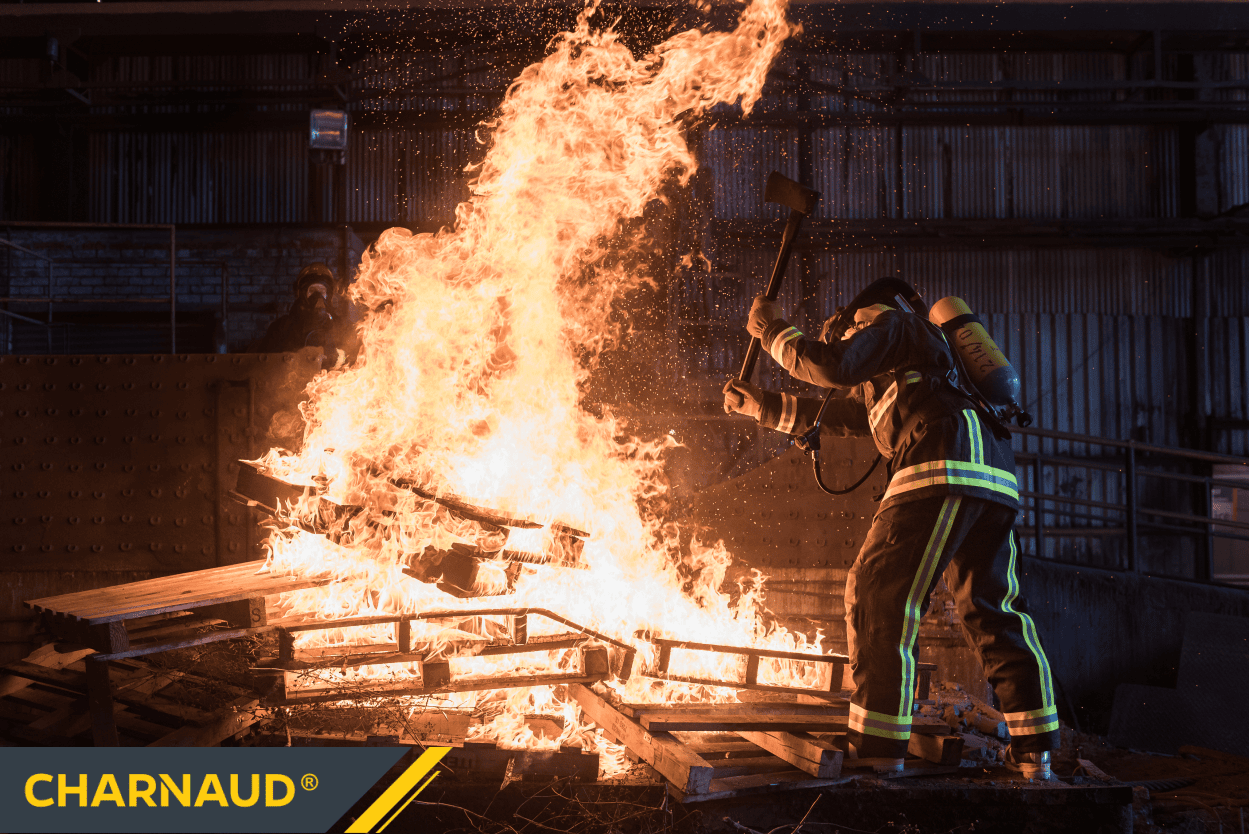
In high-risk industrial environments, keeping workers visible is one of the most fundamental parts of occupational health and safety. High-visibility tape is a specialised retroreflective, fluorescent or photoluminescent material designed to reflect or emit light, dramatically improving how easily a worker stands out against complex, dark or busy backgrounds. In industries where heavy machinery, moving vehicles and low-light conditions come together, whether that’s underground on a mine or on a busy road, being seen can mean the difference between a normal shift and a fatal accident. By increasing a worker’s conspicuity, hi-vis tape gives equipment operators and drivers the vital reaction time needed to avoid collisions and navigate busy workspaces safely.
Who Needs Hi-Vis Safety Wear?
Many of South Africa’s heavy industries operate in conditions where blind spots, noise and low visibility create a high risk of accidents. In these environments, hi-vis PPE isn’t just best practice, it’s a legal obligation. Under the Occupational Health and Safety Act’s General Safety Regulations, employers are legally required to provide high-visibility clothing wherever a risk assessment identifies the need for it. In high-hazard sectors like mining, this obligation is reinforced by the Mine Health and Safety Act’s broader requirement that employers assess risks and supply appropriate PPE. Industries where this applies include:
- Underground and Surface Mining
- Emergency Services and First Responders
- Oil and Gas and Petrochemical Refining
How It Works
At its core, hi-vis tape works by manipulating light. However, the technology varies significantly depending on the type of tape used, resulting in different performance levels and therefore applications.
Fluorescent Tape
Fluorescent tape relies on highly saturated, bright colours and works by absorbing invisible ultraviolet (UV) light from the sun and converting it into visible light, making the garment appear intensely bright. Because it relies entirely on ambient light, fluorescent tape is highly effective during daylight hours and in twilight conditions like dawn, dusk or overcast weather. However, it fails completely in total darkness because there is no UV light available to activate it.
Retroreflective Tape
Retroreflective tape is engineered using thousands of tiny glass beads or micro-prisms embedded in a durable, often flame-resistant material with a metallic backing. Unlike standard reflective surfaces that scatter light in all directions, retroreflective technology works by returning the incoming light directly back to its original source like the headlights of an oncoming vehicle, a miner’s headlamp or a handheld flashlight/torch. Retroreflective tape appears incredibly bright to a vehicle operator or equipment driver making it the vastly superior choice for low visibility, nighttime operations and low-light conditions where ambient daylight is entirely absent.
Photoluminescent Tape
Photoluminescent tape is superior to traditional alternatives for one simple reason: it is entirely self-illuminating. Unlike fluorescent or reflective options that rely on active, external light sources to work, photoluminescent tape absorbs ambient light and releases that stored energy as a vibrant green or yellow glow in dark or poor visibility conditions. Because it can sustain this bright illumination for an extended period without a visible light source, it is the ideal safety solution for environments where smoke, dust or heavy fog severely compromise the visibility of workers.
Tape must be arranged to outline the human form so that an observer can instantly recognise a worker as a person rather than a stationary object. For instance, many standards require bands around the arms and legs to highlight human motion. One well-known example is Canada’s high-visibility apparel standard, CSA Z96, which mandates that reflective tape form a distinct “X” pattern across the back of a jacket or coverall, immediately signalling to a vehicle operator that the worker’s back is turned to them. Safety standards also dictate the exact minimum surface area of both the background fluorescent fabric and the retroreflective tape strips, ensuring the tape is wide enough and plentiful enough to remain visible from 360 degrees, preventing a worker from becoming invisible if they turn sideways. Because tape placement and coverage directly affect the protective capabilities of a garment, it’s critical to select safety wear that is fully certified to recognised international standards and doesn’t diminish the protective qualities of the PPE it’s built into.
Protection Beyond Visibility
While hi-vis tape is an indispensable tool for accidents, it is important to remember that visibility is only one component of comprehensive personal protection. Being visible is not enough if your gear cannot shield you from the primary physical dangers of your work environment.
True workplace safety requires wearing specialised, head-to-toe PPE engineered to withstand the specific hazards of the job. South African PPE manufacturer, CHARNAUD® designs high-visibility garments using technical, flame-resistant fabrics that protect workers from the serious hazards of their trade, without compromising on conspicuity . To achieve true compliance and stay safe, workers need, fully integrated safety systems where hi-vis functionality and robust thermal or mechanical protection work hand in hand and in the form of head-to-foot® PPE.
Frequently Asked Questions
What is hi-vis tape?
Hi-vis tape is a specialised fluorescent, retroreflective, or photoluminescent material used on workwear to increase a worker’s visibility in low-light, dark, or busy environments, helping equipment operators and drivers spot workers in time to avoid collisions.
What’s the difference between fluorescent, retroreflective, and photoluminescent tape?
Fluorescent tape absorbs UV light and appears bright during daylight and twilight, but is ineffective in total darkness. Retroreflective tape uses glass beads or micro-prisms to bounce light directly back to its source, such as vehicle headlights, making it ideal for nighttime visibility. Photoluminescent tape absorbs and stores ambient light, then releases it as a glow once the light source is removed, making it useful in smoke, dust, or power-outage conditions.
Is hi-vis clothing legally required in South Africa?
Yes. Under the Occupational Health and Safety Act’s General Safety Regulations, employers are legally required to provide high-visibility clothing wherever a risk assessment identifies the need for it. In high-hazard sectors like mining, this is reinforced by the Mine Health and Safety Act’s broader requirement that employers assess risks and supply appropriate PPE.
Which industries require hi-vis PPE?
Industries with a high risk of collisions, blind spots, or low visibility typically require hi-vis PPE, including underground and surface mining, emergency services and first responders, and oil, gas, and petrochemical refining.
Why does the placement of hi-vis tape on a garment matter?
Safety standards regulate exactly where tape must be placed and how much surface area it must cover, so that a worker is recognisable as a person (not just an object) and remains visible from all angles, including from behind or the side. One well-known example is Canada’s CSA Z96 standard, which requires an “X” pattern across the back to signal that a worker is facing away from an oncoming vehicle.
Is hi-vis tape enough PPE on its own?
No. Hi-vis tape addresses visibility, but doesn’t protect against other hazards like heat, flame, or mechanical injury. Comprehensive protection requires certified, integrated PPE systems that combine hi-vis functionality with the appropriate thermal or mechanical protection for the job.
What should I look for when choosing hi-vis PPE?
Look for PPE certified to recognised international standards (such as ISO 20471) that specify tape placement, coverage area, and performance, and make sure the garment’s protective features (like flame resistance) aren’t compromised by the addition of hi-vis elements.


