
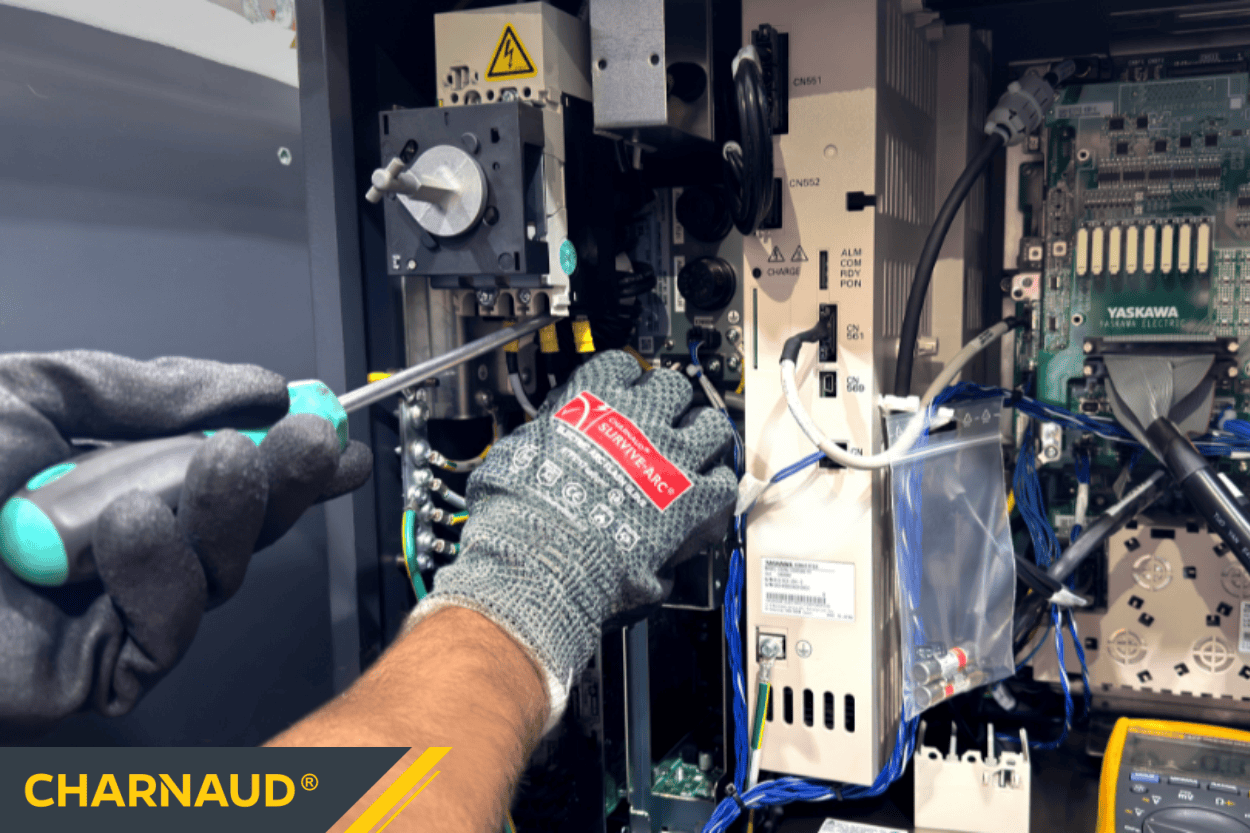
Summary: Personal protective equipment (PPE) remains one of the most important lines of defence against workplace hazards. However, misconceptions about PPE continue to expose employees and organisations to unnecessary risks. Understanding the truth behind common PPE myths is essential for maintaining workplace safety compliance and protecting workers in high-risk environments.
Believing outdated or incorrect assumptions about PPE can result in injuries, regulatory violations, operational disruptions, and increased liability.
Building a culture based on proper PPE knowledge and compliance helps organisations improve safety outcomes while meeting industry regulations and standards.
Why Are PPE Myths So Dangerous in Modern Workplaces?
Despite advances in safety technology and stricter regulations, many workplaces still operate under misconceptions about personal protective equipment.
These myths often develop through outdated practices, informal training, or assumptions that have never been properly challenged. Unfortunately, when workers and employers rely on incorrect information, the consequences can be severe.
PPE myths are dangerous because they create a false sense of security, leading workers and organisations to underestimate hazards, misuse equipment, or fail to comply with workplace safety regulations.
Effective PPE programs depend not only on having the correct equipment but also on ensuring employees understand when, why, and how to use it properly.
At CHARNAUD®, we believe that education and compliance are just as important as the protective equipment itself when it comes to safeguarding workers in hazardous environments.
The Three Most Dangerous PPE Myths
Many misconceptions circulate across industries, but a few stand out because of the significant risks they create.
1. “Any PPE Is Better Than No PPE”
This is one of the most common and potentially dangerous assumptions.
Not all PPE provides the same level of protection. Equipment must be appropriate for the specific hazard, correctly fitted, properly maintained, and compliant with relevant safety standards.
For example, gloves designed for handling general materials may offer little protection against chemical exposure, while standard workwear may not provide adequate protection against arc flash or heat hazards.
Using the wrong PPE can create a false sense of protection while leaving workers exposed to serious risks.
2. “Experienced Workers Don’t Need PPE as Much”
Experience can improve hazard awareness, but it does not eliminate workplace risks.
Even highly skilled professionals can be injured by unexpected equipment failures, environmental hazards, human error, or changing site conditions.
PPE exists because hazards can never be completely eliminated, regardless of a worker’s experience level.
Organisations that apply PPE requirements consistently across all personnel help create stronger safety cultures and reduce preventable incidents.
3. “Compliance Is Just About Passing Inspections”
Many businesses mistakenly view PPE regulation as an administrative requirement rather than a critical safety measure.
Workplace safety compliance is designed to protect employees from real-world hazards. Regulations are based on industry experience, incident investigations, and evolving safety research.
When compliance is treated as a box-ticking exercise, organisations often miss opportunities to identify hazards, improve training, and strengthen worker protection.
True compliance focuses on preventing injuries, not simply avoiding penalties.
Key PPE Considerations for Workplace Safety Compliance
What factors should organisations evaluate when implementing effective PPE programs?
| PPE Factor | Operational / Practical Impact | Core Benefit |
|---|---|---|
| Hazard Assessment | Identifies the specific risks workers face. | Ensures correct PPE selection. |
| Equipment Certification | Verifies compliance with relevant safety standards. | Reliable protection performance. |
| Proper Fit and Training | Ensures equipment functions as intended. | Improved worker safety and comfort. |
| Inspection and Maintenance | Detects wear, damage, or degradation. | Reduces equipment failure risks. |
| Regulatory Compliance | Aligns safety practices with legal requirements. | Reduced liability and stronger safety outcomes. |
Frequently Asked Questions
What is the biggest mistake companies make with PPE?
One of the most common mistakes is assuming that simply providing PPE is enough. Effective protection requires proper hazard assessments, employee training, equipment maintenance, and ongoing compliance monitoring.
How often should PPE be inspected?
Inspection frequency depends on the type of equipment and the work environment. However, PPE should generally be checked before use, inspected regularly, and replaced immediately if damaged or no longer compliant.
Why is workplace safety compliance important?
Workplace safety compliance helps organisations reduce injuries, improve operational continuity, meet legal obligations, and create safer environments for employees and contractors.
Can PPE eliminate workplace hazards completely?
No. PPE is considered the last line of defence in the hierarchy of controls. Organisations should first seek to eliminate, substitute, isolate, or engineer out hazards wherever possible, with PPE providing additional protection when risks remain.
Partner with CHARNAUD® for Advanced PPE Solutions
CHARNAUD® is a trusted manufacturer of specialised personal protective equipment engineered for high-risk industries. From arc flash protection and flame-resistant garments to advanced safety apparel solutions, our products help organisations meet the highest standards of workplace safety compliance.
Protecting your workforce starts with understanding the risks and choosing PPE that is purpose-built for the hazards employees face every day.
Explore CHARNAUD®‘s advanced PPE solutions today and build a safer, more compliant workplace without compromising on comfort, performance, or protection.
Read Next: Top Industries That Require Certified Fire Protective
Discover More: The Growing Demand for Arc Flash PPE in South Africa’s Energy Sector


