
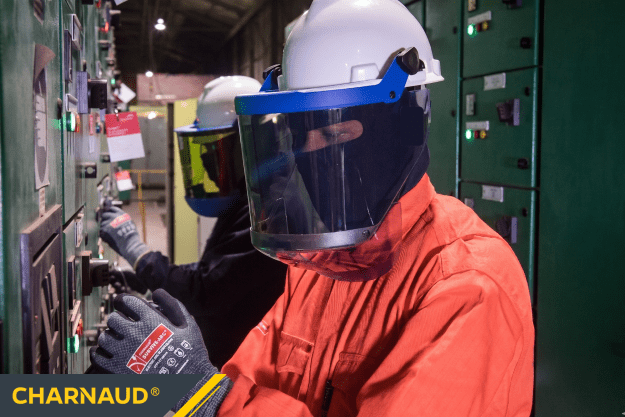
Summary: South Africa’s transforming energy sector is driving an unprecedented demand for high-performance electrical PPE. Ongoing grid strain, infrastructure upgrades, and rapid renewable energy expansions mean workers face an elevated risk of arc flash events, requiring strict compliance with local and international safety standards.
Why is Arc Flash PPE More Necessary and Urgent Than Ever?
What is happening in South Africa’s energy sector to make arc flash protection a critical operational priority?
While power generation has faced significant hurdles over the past few decades, a combination of aging legacy infrastructure and a surging industrial and domestic demand for electricity has forced rapid expansion and constant repairs.
The growing demand for electrical PPE in South Africa is driven by an increased probability of equipment failure under heavy grid pressure. As more technicians enter the field to upgrade infrastructure and build renewable energy projects, they require reliable thermal protection against high-risk arc flash incidents.
As a trusted leader in safety, CHARNAUD® has supplied arc flash protective wear to this evolving industry for years, keeping pace with the continuous increase in demand for advanced worker protection.
The Four Pillars of South Africa’s Electrical PPE Demand
When evaluating the shifting energy landscape, safety managers must navigate four major drivers affecting procurement and compliance:
Pillar 1: Grid Strain and Hidden Arc Flash Risks
Eskom’s coal fleet averages 41 years old, run far harder than international norms and without the maintenance standards required. As recently as 2025, 40% of the fleet spent half the year offline, with the worst-performing station recording the equivalent of 168 days of unplanned breakdowns.
For electrical workers, this translates directly into elevated daily risk. Emergency interventions on degraded, overstressed equipment are increasingly routine. The repeated switching of high-voltage systems under load, known as toggling, is a well-documented arc flash trigger, and an ageing, under-maintained grid creates precisely the conditions under which these events are most likely to occur. Workers operating in and around this infrastructure require certified arc-rated protection that meets the demands of unpredictable, high-pressure environments.
Pillar 2: The Renewable Energy Build-Out
South Africa’s cumulative solar capacity surpassed 9.4 GW by mid-2025, with a pipeline exceeding 10 GW still to come. The government has committed to deploying at least 3 GW of new renewables annually, rising to 5 GW by 2030.
Each utility-scale installation presents distinct arc flash hazards across high-voltage switchgear, inverter systems, and grid connection infrastructure. Unlike traditional power generation environments, renewable energy sites introduce unique electrical risk profiles that demand PPE solutions specifically engineered and certified for these conditions not generic alternatives repurposed from other sectors.
Pillar 3: Data Centre Expansion and Emerging Arc Flash Risks
Current expansion projects are expected to increase South Africa’s total data centre IT power demand to more than 1,200 MW. Significant investment is driving this growth, including a R5.4-billion commitment from Microsoft to develop additional enterprise-scale facilities in Johannesburg and Cape Town. At the same time, several other hyperscale providers are expanding their footprint across both metropolitan areas.
Hyperscale data centres differ markedly from conventional commercial buildings due to their highly concentrated electrical infrastructure and strict uptime requirements. Because uninterrupted operation is critical, maintenance and electrical tasks often need to be carried out on or in close proximity to live equipment. These conditions can create elevated arc flash risks, making the selection of correctly rated and independently certified PPE essential.
Pillar 4: Legal Compliance and the Cost of Getting it Wrong
Under South Africa’s Occupational Health and Safety (OHS) Act, employers have a legal duty to provide appropriate, certified personal protective equipment (PPE) wherever workplace hazard assessments identify a risk to employees. In the event of an arc flash incident that causes serious injury or loss of life, organisations may face significant repercussions, including regulatory investigations, criminal prosecution under the OHS Act, civil claims, and possible operational restrictions or shutdowns.
It is important to recognise that not all arc flash PPE available in the market satisfies South African compliance requirements. Procurement and safety professionals should ensure that equipment aligns with SANS 724, the applicable local standard, rather than relying solely on international certifications. While globally recognised approvals may indicate product quality, they do not automatically demonstrate compliance with South African regulations. As a result, specifying the correct PPE is not merely a matter of good safety practice, it is a critical legal requirement. Should an incident occur, the use of non-compliant protective equipment may leave an employer exposed to liability, regardless of any certifications displayed on the product.
Key Regulatory Considerations for Electrical PPE
What standards define compliant, high-quality arc flash protection?
Below are the core regulatory frameworks that dictate structural safety compliance in the energy sector:
| Standard / Metric | Operational Focus | Safety Benefit |
|---|---|---|
| SANS 724 | The local South African standard for electrical gear. | Dictates exact national assessment and product requirements for arc flash PPE. |
| NFPA 70E | Globally adopted workplace standard for electrical safety. | Establishes critical operational safety protocols to prevent electrical workplace injuries. |
| ASTM F1506 / F1959 | Specific performance metrics for safety textiles. | Details precise fabric ratings and determines exact arc energy protection limits. |
Frequently Asked Questions
What is driving the bulk procurement of arc flash PPE in South Africa?
The surge in bulk procurement is primarily driven by the rapid expansion of utility-scale renewable energy farms and the construction of data centres by multinational corporations, both of which require large-scale, ongoing electrical maintenance.
Why are electrical workers at higher risk during grid toggling?
Planned and unplanned power interruptions put the national grid under severe pressure. This overworks legacy infrastructure, increasing the probability of catastrophic equipment failure and subsequent thermal arc flash incidents.
Partner with CHARNAUD® for Advanced Arc Flash Safety
CHARNAUD® has engineered the comprehensive SURVIVE-ARC® range, custom-made for energy sector professionals who navigate the threat of daily arc flash hazards. Manufactured from fully certified inherently flame-resistant (FR) and arc-rated (AR) materials, our product line includes coveralls, jackets, trousers, dust coats, balaclavas, gloves, boots, beanies, and masks to provide complete, uncompromised protection.
Explore our advanced product lines or contact our specialists today to equip your workforce with the ultimate defence against electrical hazards.


