
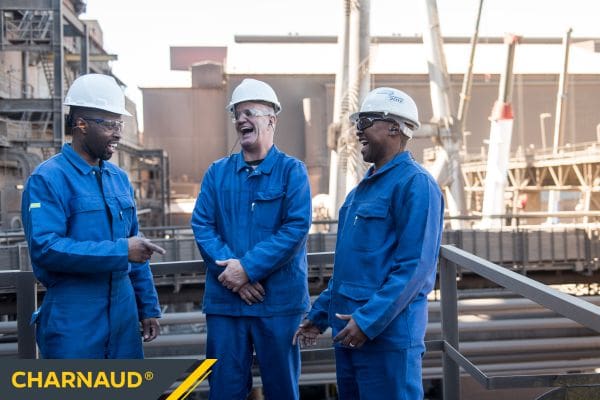
In every industry where hazards are present, whether construction, metalwork, manufacturing or warehousing, personal protective equipment (PPE) plays a critical role in safeguarding workers. But even the highest‑quality safety gear is only effective if it’s in good condition. Over time, PPE can degrade due to wear, dirt, exposure to chemicals, or simple repeated use. That’s why regular ppe inspections are not optional, they’re essential.
For companies relying on safety clothing, helmets, gloves, safety boots, or high‑visibility workwear (many of which come from suppliers like CHARNAUD®), a consistent inspection routine ensures that when PPE is needed most, it performs as intended. A cracked helmet, worn‑out boots, or frayed gloves can turn routine tasks into serious risk. By staying proactive about inspections, employers protect their staff, maintain compliance, and foster a culture of safety.
The Importance of Regular PPE Checks
Routine PPE inspections protect workers and businesses alike, catching damage early, ensuring compliance, and preventing accidents before they happen.
1. Why PPE Degrades And What to Look For in Inspections
PPE isn’t indestructible. Daily use in demanding environments, contact with sharp or hot surfaces, exposure to dust, chemicals, heat or moisture, can gradually weaken personal protective equipment and clothing. Over time, features that once offered protection may fail: a safety boot’s sole may deteriorate, grip may diminish; a helmet shell may develop cracks; gloves may tear or weaken; or safety clothing may lose its visibility or protective treatment.
Regular inspections help identify such issues before they compromise safety. Common inspection checks include: ensuring boot soles and treads remain intact, checking for cracks or dents in helmets, verifying that gloves have no tears or punctures, examining high‑vis or protective clothing for wear or damage, and confirming that fasteners, straps or closures are still functional.
Now Read: Heat Stress and Outdoor Workers: PPE Strategies for Extreme Temperatures
2. Compliance & Standards: Staying on the Right Side of Regulations
Health and safety regulations typically require that employers provide PPE that is “in efficient working order and good repair.” By performing regular inspections ideally before each use, and periodically depending on wear levels and exposure, companies ensure they meet legal and industry standards. This reduces liability, safeguards workers, and upholds workplace safety requirements. Failure to inspect can result in non‑compliance, legal consequences, or worse, preventable accidents.
3. Extend PPE Lifespan: Smart Investment with CHARNAUD®’s Quality Gear
High‑quality PPE from CHARNAUD®, whether safety boots, gloves, helmets, or protective clothing, is built to endure tough conditions. But quality only pays off if you take care of the gear. Regular inspection, cleaning, proper storage and timely replacement of worn items can significantly extend the useful life of PPE.
This saves money in the long run: instead of discarding PPE at the first sign of wear, minor issues can be spotted and resolved early (like replacing laces, tightening fasteners, repairing straps). Meanwhile, fully functional gear continues to offer the intended protection.
4. Fostering a Safety‑First Culture: Confidence, Awareness, and Ownership
A routine inspection regime sends a clear message: safety is a priority. When workers know that PPE is regularly checked and maintained, they’re more likely to trust their equipment, wear it consistently, and treat it with care. This builds confidence, promotes accountability, and encourages a workplace culture where safety is taken seriously rather than treated as an afterthought.
Moreover, involving staff in inspections, e.g. asking them to visually inspect their boots, gloves or helmets before use reinforces personal responsibility and awareness. Over time, this vigilance becomes part of standard practice rather than an occasional check.
5. Practical Inspection Tips: What to Check, When, and How Often
- Before Each Shift / Use: A quick visual and tactile inspection- check boots for sole damage, gloves for punctures or seam wear, helmets for cracks, clothing for damaged seams or reflective strips.
- –After Heavy Use / Harsh Conditions: Post-use inspections to catch damage caused by chemicals, impact, heat, or exposure.
- –Periodic Deep Checks (Monthly / Quarterly): More detailed inspections- test boot grip, check boot soles and stitching; inspect seams, fasteners, closures; clean, dry, and store PPE properly; replace items nearing end of life.
- –Maintain Records: Keep logs of inspection dates, findings, replacements, and maintenance. This helps with compliance and shows due diligence.
For Quality You Can Trust, Partner with CHARNAUD® in 2026
Regular PPE inspections are a simple but powerful safeguard. They catch wear and tear early, ensure compliance, extend gear lifespan, and foster a workplace culture where safety matters. By combining high-quality PPE from CHARNAUD® with diligent inspection habits, companies reduce risk, protect their people, and build a strong foundation for long-term safety.
In the end, regular inspections don’t just preserve equipment, they save lives.
Now Read: The Hidden Costs of Poor-Quality PPE: Why Compliance Matters


