
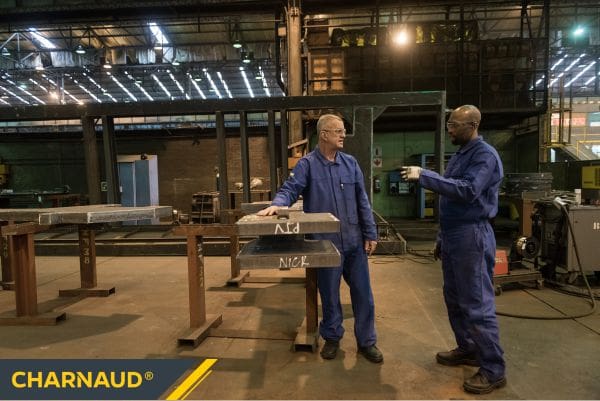
When it comes to workplace safety, foot protection is often overlooked yet it’s one of the most critical aspects of personal protective equipment (PPE). Injuries to the feet can have severe consequences, ranging from minor bruises to permanent damage. That’s why investing in the right safety footwear is essential for any industrial or construction environment.
Not all safety boots are created equal. Choosing footwear that meets recognized safety standards, provides durability, and fits comfortably can make the difference between a productive, safe day and an accident that could have been prevented. High-quality boots, such as those offered by CHARNAUD®, combine certified protection with robust construction to deliver long-term value for workers and employers alike.
A Deep Dive into Protective Footwear
Selecting safety boots isn’t just about style or brand; it’s about protection, compliance, and durability. The right boots keep workers safe and comfortable while lasting longer.
1. Understanding Safety Standards
Safety boots are designed to meet specific standards, often denoted by certification labels such as EN ISO 20345. These standards define requirements for impact resistance, slip resistance, electrical hazards, puncture protection, and other critical safety features.
When selecting boots, it’s vital to check for these certifications. Boots that meet recognized standards ensure that your footwear can withstand workplace hazards such as falling objects, sharp debris, and slippery surfaces.
Now Read: Heat Stress and Outdoor Workers: PPE Strategies for Extreme Temperatures
2. Choosing the Right Material
The material of the boot affects both durability and comfort. Leather boots are highly durable, water-resistant, and provide excellent protection in tough environments. Synthetic alternatives are lighter, often breathable, and may offer better flexibility for certain tasks.
Work boots with reinforced toes, midsoles, and heat-resistant soles provide additional protection where it’s most needed.
3. Comfort and Fit Are Key
Even the safest boots are ineffective if they’re uncomfortable. Poorly fitted boots can lead to blisters, fatigue, and reduced productivity. Look for boots with padded collars, cushioned insoles, and appropriate sizing.
Proper fit also ensures that safety features like steel toes and anti-slip soles function correctly. CHARNAUD® emphasizes boots designed for all-day wear without compromising protection, helping workers stay safe and comfortable.
4. Durability and Maintenance
High-quality boots are an investment. To maximize lifespan, choose footwear built for your specific working conditions whether heavy-duty construction, metalwork, or general industrial tasks. Regular cleaning, conditioning, and inspection extend the life of the boots and maintain their protective qualities.
CHARNAUD® offers boots crafted with long-lasting materials and construction, reducing the need for frequent replacements and ensuring consistent protection over time.
5. Matching Boots to Workplace Hazards
Different environments require different types of protection. For example, electrical work may need boots with non-conductive soles, while outdoor construction might require waterproof, insulated options. Identifying your workplace risks and matching them with appropriate features ensures maximum safety and compliance.
Protect Your Feet with CHARNAUD®
Choosing the right safety boots goes beyond aesthetics. It requires understanding standards, selecting appropriate materials, prioritizing comfort, and considering durability and workplace hazards.
By investing in high-quality boots from providers like CHARNAUD®, employers ensure their staff are protected, compliant, and comfortable throughout the workday. Properly selected and maintained footwear not only reduces the risk of injury but also contributes to productivity and long-term cost savings. When it comes to foot protection, the right boots make all the difference. Get in touch with our team to discuss the perfect boots for your team.
Now Read: The Hidden Costs of Poor-Quality PPE: Why Compliance Matters


